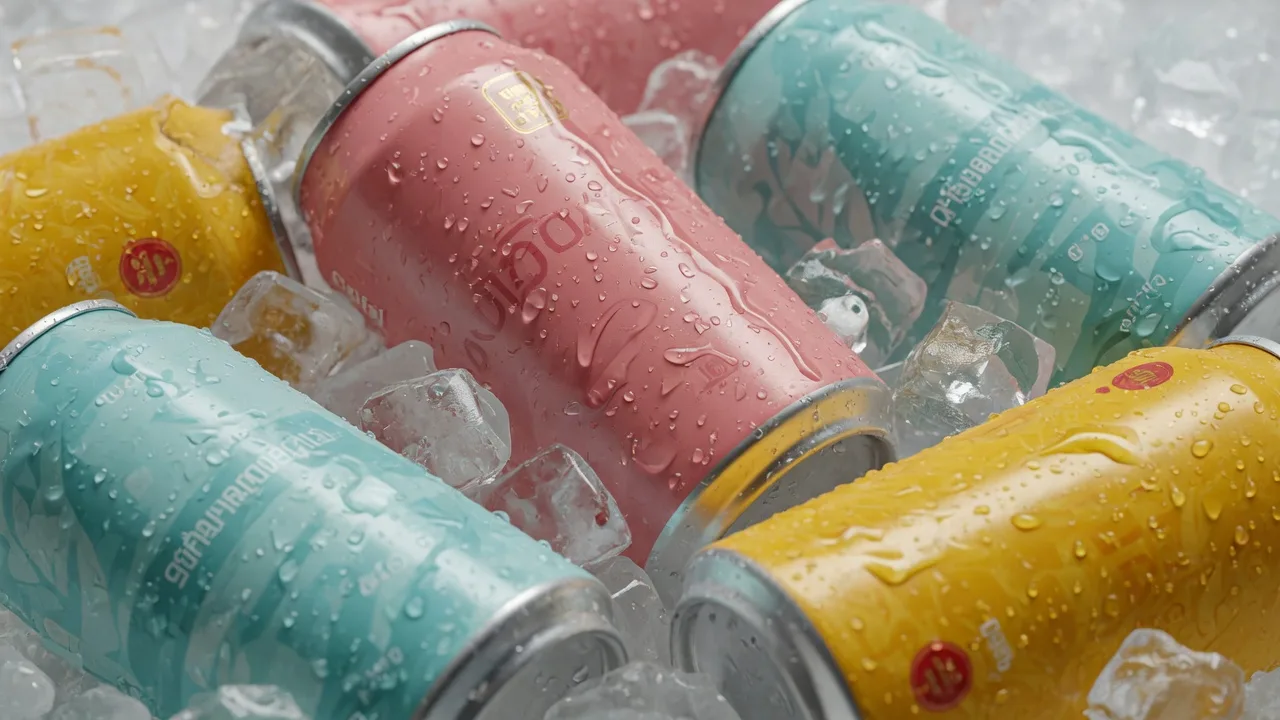
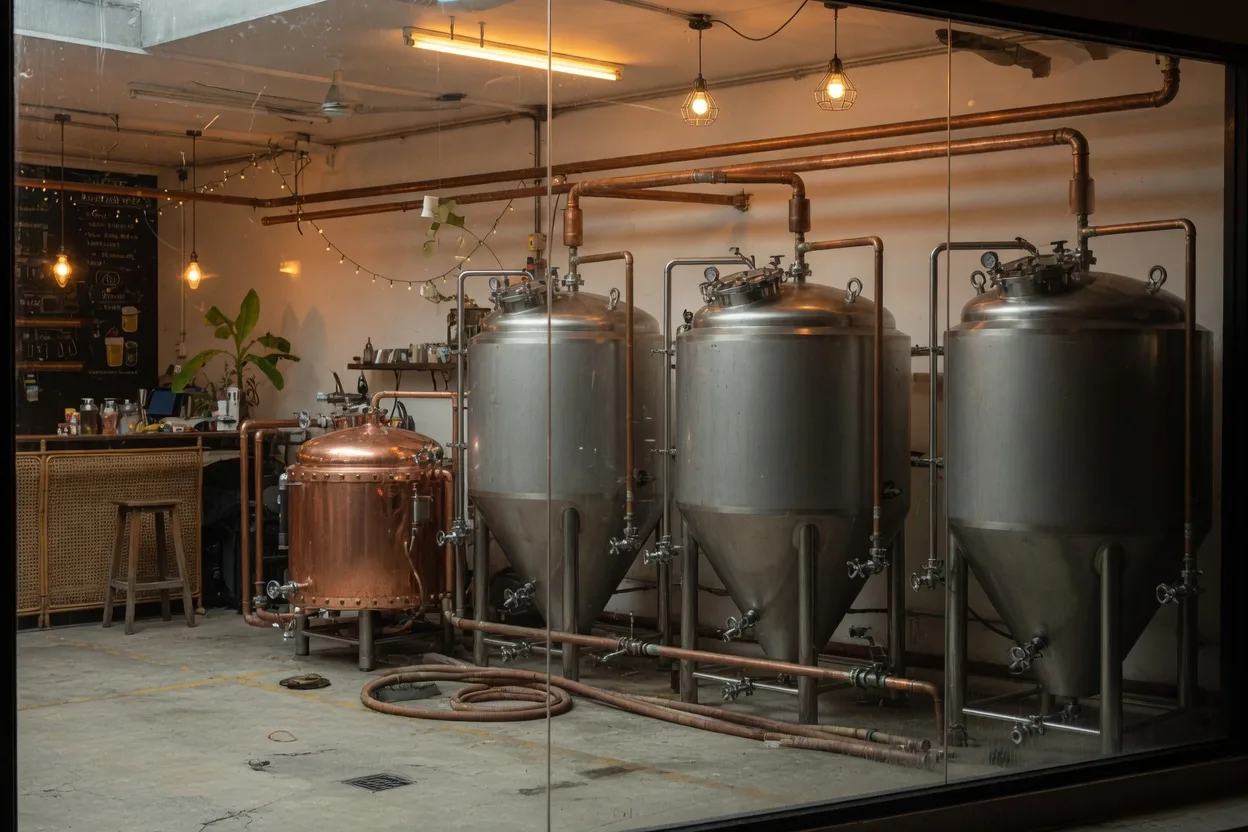
Thai brewing law still makes a tiny legal brewery hard. A lot of “Thai craft” is contract-brewed at larger licensed plants (TSI near the Bang Pakong keeps coming up), or was previously brewed in Vietnam and imported. That is how the scene stays legal, not a slur.
Names to ask for
| Name | What you are actually buying | Where they actually live |
|---|---|---|
| ChitBeer | The origin story. Koh Kret tap; Chit Holes in the city. | Pilgrimage + rooms |
| Devanom | Hop-forward beer, honey mead, sato as a serious drink. | Tasting room outside the city; Sato So Good circuit |
| Samata | Fruit-forward, session cans (mango sticky rice is the tourist photo). | Festival circuit; Sai Mai after a Vietnam chapter |
| Baan Bangkok | Hazy IPAs. No flashy taproom; Haze in Chinatown is the usual bar. | Quiet on social |
| Vana | Among the easiest Thai craft cans to find. Contract at TSI. | Supermarket-adjacent craft |
| Mardi Craft | TSI house/sub-brand. Easy drinkers, art cans. | “Not Leo” supermarket cousin |
| 12 Plato | Bang Na brewpub with its own kit (2023). | Same owners: Eight Days a Week, Ari |
| Sandport / UPB | 2014-era name inside United People’s Brewery’s volume pool. | Chatuchak brewpub |
| Taopiphop Ale Project | Tao Limjittrakorn: brewer, former illegal-homebrew defendant, MP. | Cans via TSI |
| Mahanakhon | Label showing up at SongCraft and bottle drops. | Ask when the fridge is more than Singha |
| Salatan | Newer name on the Chit Terminal calendar (First Storm, 2026). | Watch the events list |
| Chokdee Meechai | Re-brand of Muay Thai beer, Vietnam-brewed, imported by Smiling Mad Dog. | Import with a Thai story |
Contract brewing, in one paragraph
If everyone needed their own 10-hectolitre barn, most of these cans would not exist. TSI and similar plants let several brands share a legal kettle. United People’s Brewery was a version of the same idea with a taproom. “Brewed at TSI” is a fact about the law, not a quality insult.
How to use this page
Memorise two names. Ask for them at craft bars. For what is pouring this weekend, do not use this table — use the events archive. The beer catalogue is the can-and-chain list.
What “legal” cost
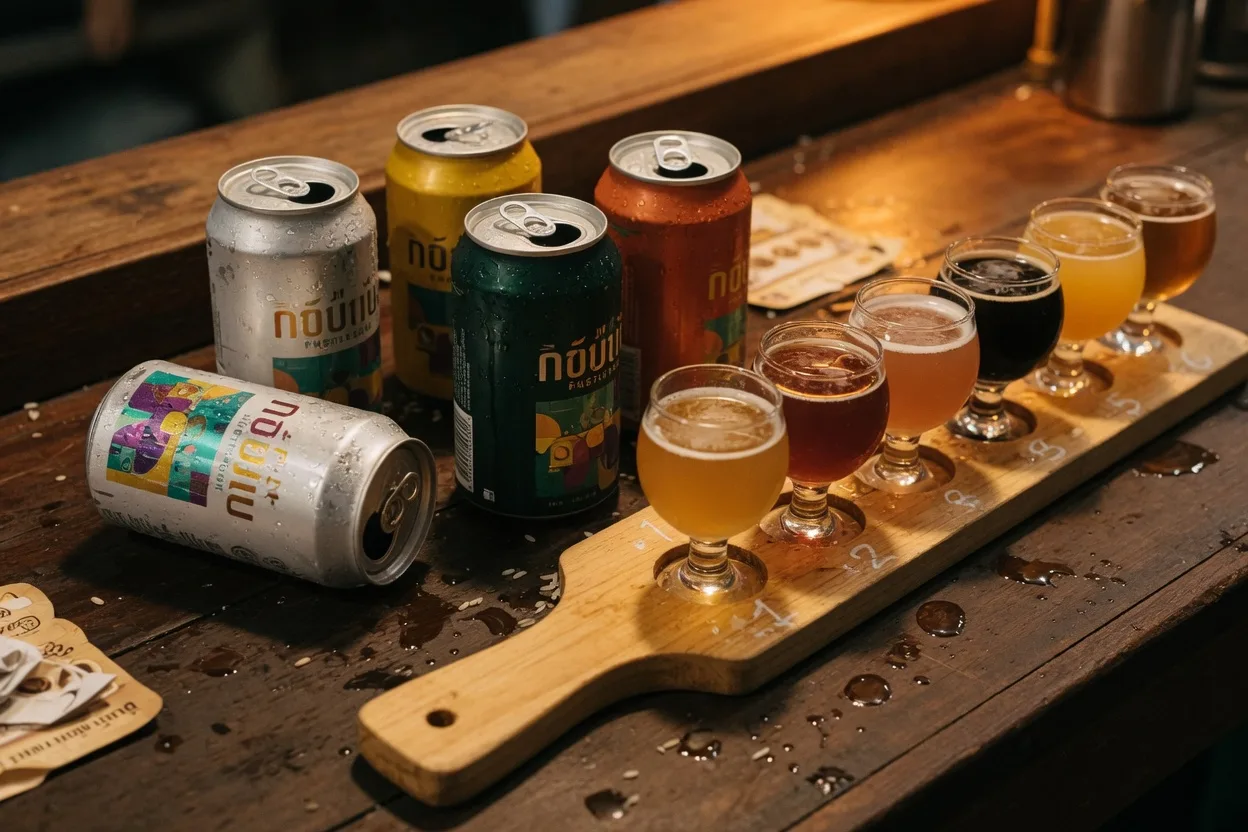
Home-brew used to be the entire scene. Taopiphop’s court story is why an MP can also be a can. ChitBeer’s Koh Kret tap is why people still make a day of it. Devanom treating sato as a drink instead of a joke is why Sato So Good exists on the events list. None of that is a reason to ignore Singha — the Big Three still fill the ice bucket. This page is the overlay.
If a can says Thailand and tastes like a Vietnam contract, that may still be true. Chokdee Meechai is Vietnam-brewed and imported; we keep the note.
Supermarket Mardi and Vana are how a tourist meets craft without a taxi to Bang Na. A Chit Hole is how a regular meets it twice a week. Craft bars is the room list. This page is the names on the board.
A Squid Brand fish sauce, 725 ml bottle is still the condiment that matters at the same table. A smaller bottle is a different listing. Beer is the other glass.
Two-name homework
Learn Chit and Devanom if you want a story. Learn Samata and Mardi if you want a can you can actually find. Learn 12 Plato if you will go to Bang Na. Learn Taopiphop if you want the legal history in one person. Then check which of those names is on a board this week.
The ice-bucket Big Three are Thai beer and spirits. The rooms are Craft bars. The weekends are Events.
Cans you can photograph are not the same as a tap you can argue about. Samata’s mango sticky rice can is easy to find. Chit’s Koh Kret pint is a day trip. Mardi in a supermarket is how a jet-lagged arrival meets something that is not Leo.
Contract brewing is why a tourist can buy a Thai can without a Bang Na taxi. A Chit Hole is why a regular can drink the same scene twice a week without a festival wristband. Keep two names in your pocket, then check their site the week you land. A supermarket can is still a Thai craft can; a Koh Kret pint is the story you tell later. Bring cash for small rooms. Last train still exists.